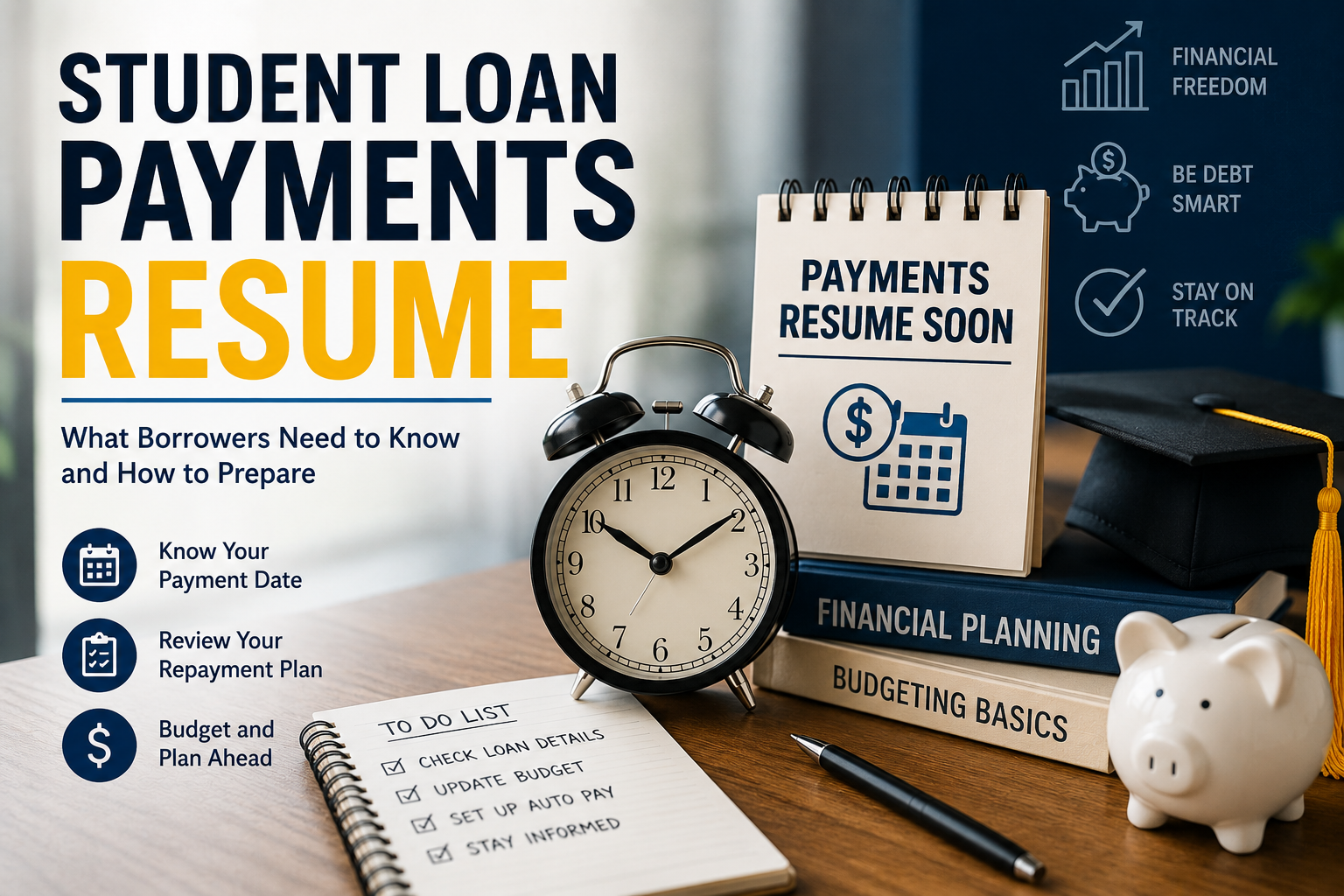
Emma had just started feeling financially comfortable. After months of carefully balancing rent, groceries, and a new job, she finally had a little money left at the end of each month. Then she opened an email reminding her that student loan payments resume soon. Suddenly, the budget she had worked so hard to build no longer looked secure.
Emma’s situation isn’t unique. Millions of borrowers experience a mix of relief and anxiety when repayment begins again after a pause. While returning to regular payments may seem overwhelming, it also offers an opportunity to regain control of personal finances. The key is understanding what to expect, reviewing your repayment options, and making informed decisions before the first payment is due. This guide explains everything you need to know so you can move forward with confidence instead of uncertainty.
Why Student Loan Payments Resume Matters More Than Many Expect
For many borrowers, the pause in student loan payments became part of everyday life. Budgets adjusted, savings accounts slowly grew, and other financial priorities naturally took center stage. When repayments resume, those routines often need to change again.
Think of it like driving on a quiet road before suddenly merging onto a busy highway. The destination hasn’t changed, but your attention and planning need to increase. Student loan repayments affect monthly cash flow, credit history, and long-term financial goals. Ignoring them can lead to missed payments and unnecessary stress, while preparing ahead can make the transition much smoother.
The first step is reviewing your current financial situation. Your income may have changed since your last payment, and so may your living expenses. Taking time to understand your new budget allows you to identify how much you can comfortably afford each month. Borrowers who plan early are often better equipped to avoid financial surprises and maintain healthy financial habits.
Reviewing Your Loan Before Payments Restart
Before making the first payment, it’s important to understand exactly what you’re paying. Many people remember borrowing money for education but haven’t reviewed their loan details in years.
Start by confirming your current loan balance, interest rate, repayment schedule, and loan servicer. These details provide a clear picture of your financial obligations and help prevent confusion later. If your contact information has changed, update it promptly so you don’t miss important notifications.
Imagine preparing for a long road trip without checking your fuel level or destination. You might still arrive eventually, but the journey becomes much more stressful. Reviewing your loan serves the same purpose—it helps you know where you stand before moving forward.
If your financial circumstances have changed significantly, explore repayment plans that better match your current income. Many borrowers qualify for flexible repayment options that reduce monthly payments while helping them remain in good standing. Understanding these choices before payments resume can make repayment feel much more manageable.
Building a Budget That Includes Student Loan Payments
One of the biggest challenges borrowers face isn’t the payment itself—it’s fitting that payment into an already busy budget.
Rather than viewing student loan repayments as an unexpected burden, consider them another recurring monthly expense, similar to rent or utilities. Listing all income and expenses creates a realistic picture of your financial health and highlights areas where adjustments can be made.
For example, small spending habits often go unnoticed. Subscription services, frequent food deliveries, or impulse purchases can quietly consume a surprising amount of money each month. Reducing even a few unnecessary expenses may be enough to comfortably cover your loan payment without sacrificing your overall lifestyle.
Building an emergency fund, even a modest one, also provides peace of mind. Unexpected expenses become less disruptive when savings are available, reducing the temptation to miss loan payments during difficult months. A thoughtful budget doesn’t eliminate financial challenges, but it gives you a clear strategy for handling them.
Common Mistakes Borrowers Should Avoid
When student loan payments resume, some borrowers react emotionally rather than strategically. One common mistake is ignoring emails or account notifications because the information feels overwhelming. Unfortunately, avoiding the problem rarely makes it disappear.
Another mistake is assuming the original repayment plan is the only option available. Financial situations evolve over time, and many repayment programs are designed to reflect those changes. Taking a few minutes to research available options may significantly improve affordability.
Some borrowers also focus only on making the minimum payment without considering long-term goals. While minimum payments keep accounts current, making additional payments when financially possible can reduce overall interest costs and shorten the repayment period.
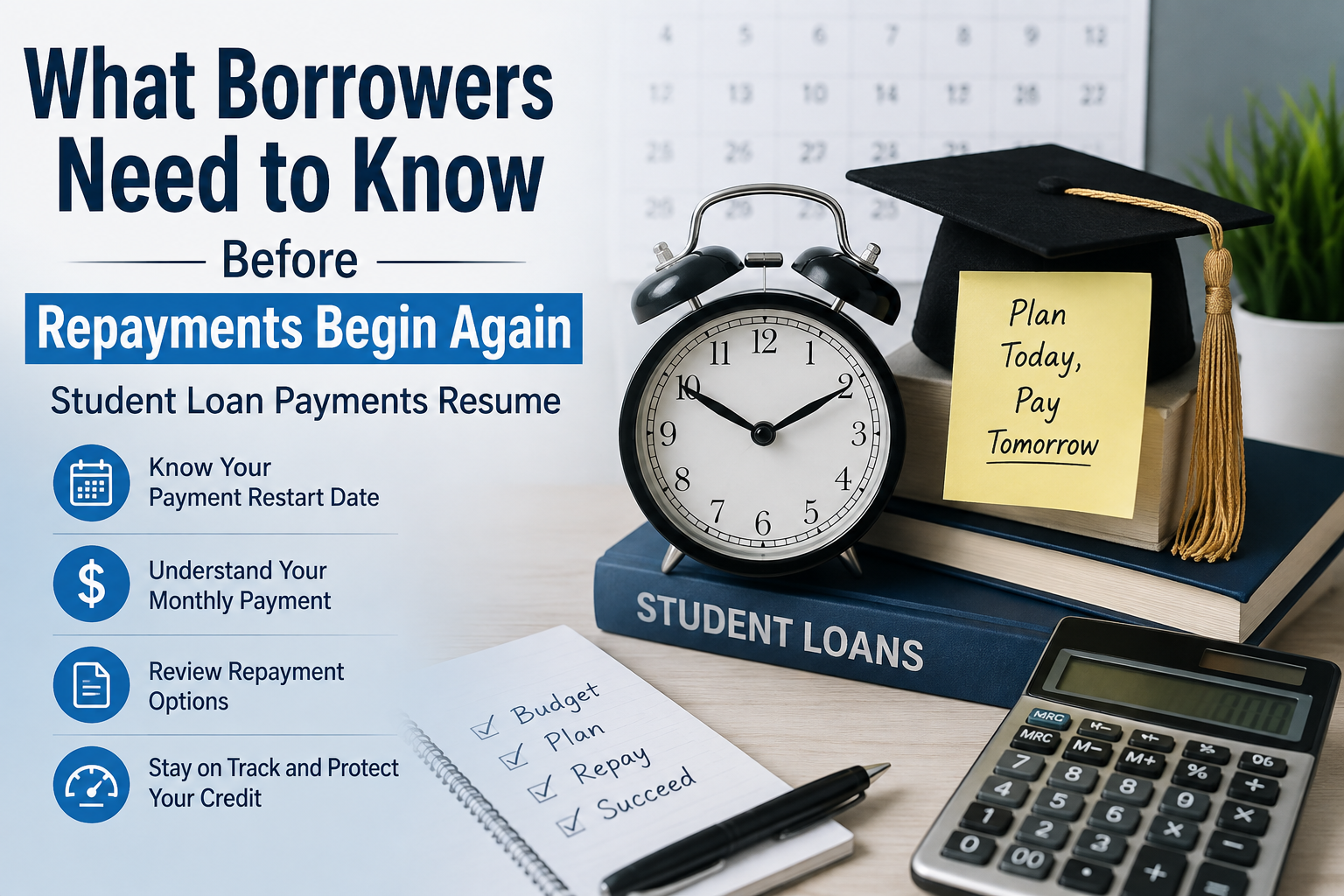
Finally, avoid waiting until the payment due date to review your account. Giving yourself time to understand your repayment schedule, update automatic payments if desired, and verify account information reduces the chance of last-minute problems. Preparation is one of the most valuable financial tools any borrower can use.
Turning Loan Repayment Into a Long-Term Financial Success Story
Although restarting payments may initially feel discouraging, repayment also represents progress. Every payment moves you one step closer to becoming debt-free and gaining greater financial freedom.
Many successful professionals remember their student loans as one chapter in a much larger story. They didn’t eliminate debt overnight. Instead, they stayed consistent, adjusted their budgets when necessary, and celebrated small milestones along the way. That same mindset can help today’s borrowers stay motivated.
Setting personal goals can make repayment feel more meaningful. Whether it’s reducing the loan balance by a certain amount each year or reaching a savings milestone while continuing regular payments, measurable progress builds confidence.
Rather than viewing student loans as a permanent obstacle, think of them as a temporary responsibility that gradually becomes smaller with each payment. Consistency—not perfection—is what ultimately leads to financial success.
Frequently Asked Questions
Q1. When do student loan payments resume?
The exact repayment date depends on your loan type and servicer. Always check your loan account or official notifications to confirm your payment schedule and avoid missing important deadlines.
Q2. What should I do before my first payment?
Review your loan balance, repayment plan, interest rate, and account information. Updating your contact details and understanding your monthly payment can help you avoid unnecessary surprises.
Q3. Can I change my repayment plan?
Yes. Many borrowers may qualify for alternative repayment options based on income or financial circumstances. Contact your loan servicer to explore plans that better fit your current budget.
Q4. Will missing a payment affect my credit score?
Missing payments can negatively impact your credit history if they become delinquent. If you’re struggling financially, communicate with your loan servicer before missing a payment to discuss available assistance.
Q5. Should I pay more than the required monthly payment?
If your budget allows, paying extra can reduce the total interest paid over the life of the loan and help you become debt-free sooner. Even small additional payments can make a meaningful difference over time.
Q6. How can I make student loan repayment less stressful?
Creating a realistic monthly budget, setting up automatic payments, tracking your progress, and staying informed about your repayment options can make managing student loans much easier and more predictable.
Conclusion
When student loan payments resume, it’s natural to feel uncertain, especially if your financial situation has changed since you last made a payment. The good news is that preparation makes a remarkable difference. Reviewing your loan details, building a practical budget, exploring repayment options, and staying organized can transform a stressful obligation into a manageable financial routine. Remember that repayment is not simply about paying off debt—it is also about developing stronger financial habits that will benefit you for years to come. Every payment, no matter how small, represents forward movement toward greater financial independence. Instead of focusing on how much remains, focus on the steady progress you’re making. The journey may take time, but each responsible financial decision brings you closer to a future where your education supports your success without weighing down your opportunities.






Leave a Reply