Introduction
A few years ago, applying for a loan often meant visiting multiple banks, collecting paperwork, and comparing interest rates by hand. Today, the process is much faster, but it comes with a different challenge—there’s simply too much information available. Between banks, online lenders, financial blogs, and comparison websites, finding trustworthy guidance can feel overwhelming.
That’s where many people discover resources related to FintechZoom.com loans. Instead of jumping into the first offer they see, borrowers often look for educational content, market updates, and loan comparisons before making a financial decision. Understanding how loan information is presented—and knowing what details truly matter—can save money and reduce financial stress. This guide explains what readers should know, what to look for, and how to borrow responsibly.
Understanding FintechZoom.com Loans
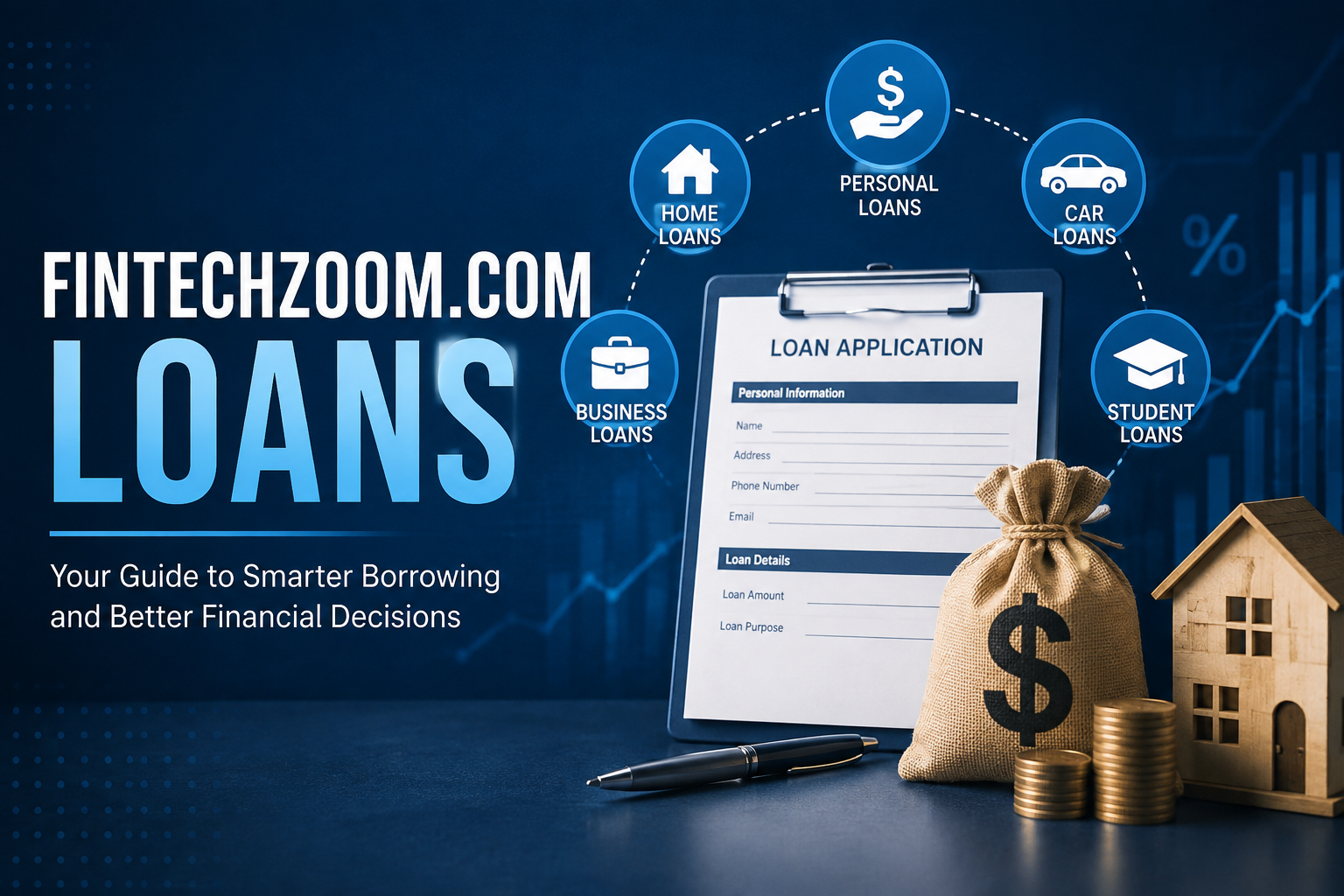
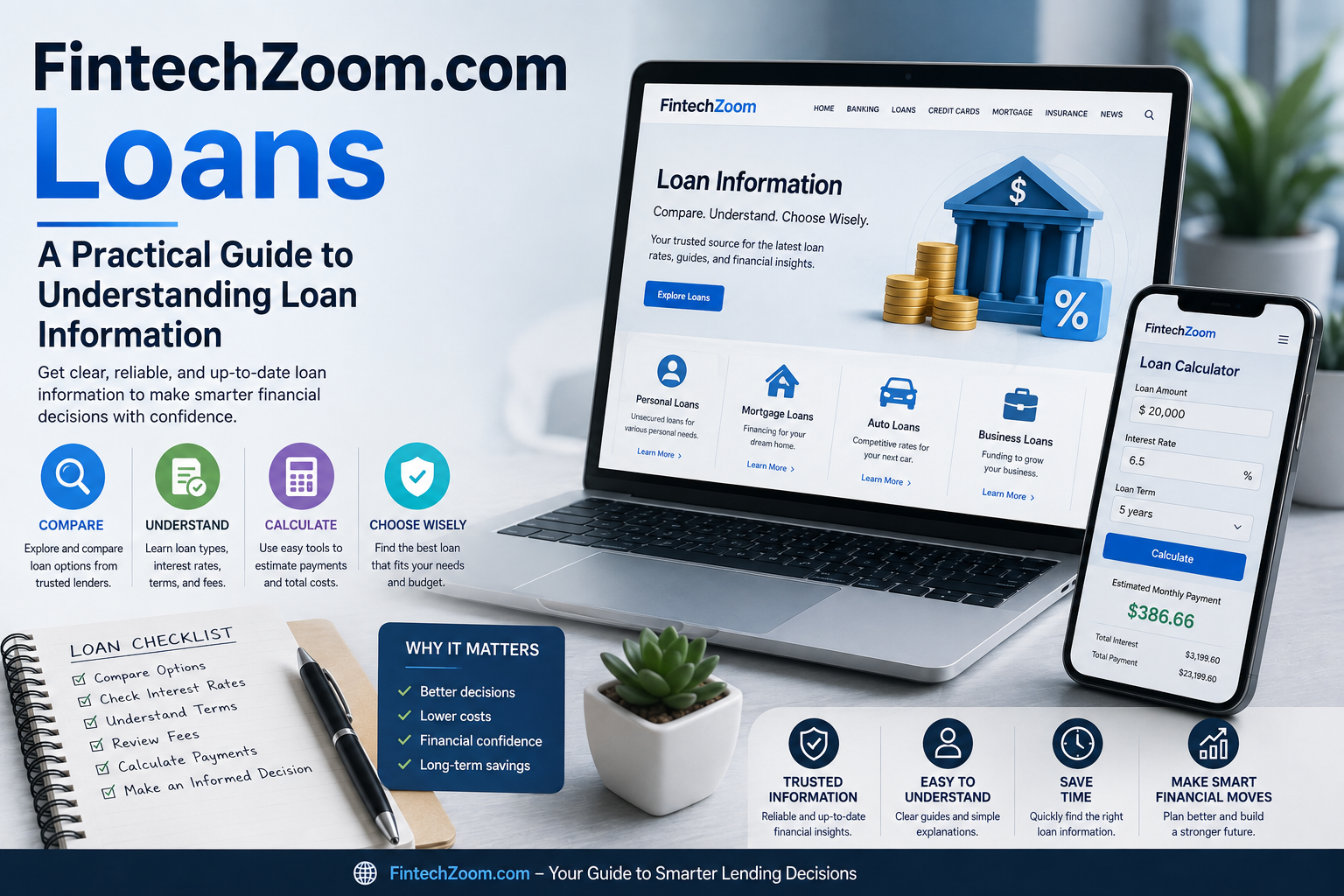
The search term FintechZoom.com loans generally refers to loan-related articles, financial insights, comparisons, and educational content available through FintechZoom. Rather than functioning as a traditional lender itself, the platform is commonly used as a financial information resource covering topics such as:
- Personal loans
- Mortgage loans
- Auto financing
- Student loans
- Business loans
- Credit trends
- Interest rate updates
People often visit financial information websites because they want to understand how lending works before applying elsewhere. Instead of relying solely on advertisements from lenders, readers can compare options, learn financial terminology, and understand current borrowing conditions.
This educational approach helps borrowers make more informed decisions instead of choosing a loan based only on convenience.
Why Loan Research Matters Before Borrowing
Borrowing money is easy. Choosing the right loan is much harder.
Many borrowers focus only on the monthly payment, but experienced financial planners know several other factors matter just as much.
Interest Rate
Even a small difference in interest rates can save—or cost—thousands of dollars over the life of a loan.
Loan Term
Longer repayment periods reduce monthly payments but usually increase the total interest paid.
Fees
Some loans include:
- Origination fees
- Processing fees
- Late payment penalties
- Early repayment charges
These costs should always be included when comparing offers.
Credit Requirements
Every lender has different approval standards. Understanding your credit score before applying helps narrow your options and avoids unnecessary credit inquiries.
Researching loan information first helps borrowers avoid expensive mistakes.
Types of Loans Commonly Discussed
Personal Loans
Personal loans are flexible borrowing options that can be used for many purposes, including:
- Medical expenses
- Home improvements
- Weddings
- Debt consolidation
- Emergency costs
These loans are usually unsecured, meaning collateral isn’t required.
Best For
- Predictable monthly payments
- Medium-sized expenses
- Debt consolidation
Mortgage Loans
Buying a home involves much more than finding a property.
Mortgage comparisons usually include:
- Fixed-rate mortgages
- Adjustable-rate mortgages
- Down payment options
- Closing costs
- Loan eligibility
Understanding these differences can significantly affect long-term affordability.
Auto Loans
Vehicle financing involves balancing monthly affordability with the total amount paid over time.
A lower monthly payment may seem attractive, but a longer repayment period often increases total borrowing costs.
Borrowers should compare:
- Interest rates
- Loan length
- Down payment requirements
- Dealer financing versus bank financing
Student Loans
Education financing can shape someone’s financial future for years.
Student loan comparisons often include:
- Federal versus private loans
- Repayment flexibility
- Interest rates
- Grace periods
- Loan forgiveness options where applicable
Understanding repayment options before graduation helps reduce financial pressure later.
Business Loans
Small business owners frequently need financing for:
- Equipment
- Inventory
- Hiring staff
- Marketing
- Expansion
Business loan decisions should be based on expected return rather than simply borrowing the maximum available amount.
How to Compare Loan Offers Like an Expert
Many first-time borrowers compare only the advertised interest rate.
A smarter comparison includes several factors.
Annual Percentage Rate (APR)
APR reflects both the interest rate and many associated borrowing costs, giving a more complete picture of the loan’s true cost.
Total Repayment Amount
Instead of asking, “How much will I pay each month?” ask:
“How much will I repay in total?”
This simple question often changes which loan appears to be the better deal.
Repayment Flexibility
Good lenders often allow:
- Extra payments
- Early payoff
- Payment scheduling options
- Temporary hardship assistance
These features become valuable if your financial situation changes.
Customer Service
Reliable customer support matters, especially for long-term loans such as mortgages.
Reading verified customer experiences can provide useful insight beyond the advertised features.
Common Loan Mistakes to Avoid
Many financial problems begin before the loan is even approved.
Here are some common mistakes borrowers make.
Borrowing More Than Necessary
A larger loan means paying more interest over time.
Borrow only what you genuinely need.
Ignoring Your Credit Score
Improving your credit score before applying may qualify you for lower interest rates.
Even a few months of credit improvement can make a noticeable financial difference.
Choosing Based Only on Monthly Payments
Lower monthly payments often hide longer repayment periods and higher total borrowing costs.
Always calculate the full repayment amount.
Skipping the Fine Print
Important details often include:
- Late payment penalties
- Variable interest rates
- Insurance requirements
- Processing fees
Reading these terms carefully prevents unpleasant surprises later.
Is FintechZoom.com Loans Information Useful for Beginners?
For many first-time borrowers, financial terminology can seem confusing.
Educational resources discussing FintechZoom.com loans can help explain concepts such as:
- APR
- Credit scores
- Loan approval
- Debt-to-income ratio
- Refinancing
- Fixed versus variable interest
Learning these basics before submitting applications gives borrowers greater confidence.
However, educational content should always be paired with information from the lender you’re considering. Loan terms, rates, and eligibility vary by institution, and the lender’s official documents should be your final reference before signing any agreement.
Tips for Making Smarter Borrowing Decisions
Responsible borrowing isn’t just about getting approved—it’s about choosing a loan that fits your budget and future plans.
Some practical habits include:
- Compare multiple lenders instead of accepting the first offer.
- Check your credit report before applying.
- Calculate the total repayment amount, not just the monthly payment.
- Build an emergency fund so you don’t rely on loans for every unexpected expense.
- Read all loan terms before signing.
- Borrow only for purposes that genuinely improve your financial situation.
These habits reduce financial stress and improve long-term money management.
Frequently Asked Questions
FAQ 1: What does FintechZoom.com loans refer to?
It generally refers to loan-related educational content, financial news, comparisons, and borrowing guides associated with FintechZoom. Readers often use these resources to better understand different loan products before applying with a lender.
FAQ 2: Can I apply for a loan directly through FintechZoom?
The platform is primarily known for providing financial information and market insights rather than acting as a traditional lending institution. Always verify where a loan application is being submitted before sharing personal information.
FAQ 3: Which loan type is best for debt consolidation?
Personal loans are commonly used for consolidating higher-interest debts into a single monthly payment. The right option depends on interest rates, fees, and your overall financial situation.
FAQ 4: Does checking loan offers hurt my credit score?
Some lenders offer prequalification using a soft credit inquiry, which generally doesn’t affect your credit score. A formal application may involve a hard inquiry, which can have a small temporary impact.
FAQ 5: What is the difference between APR and interest rate?
The interest rate is the cost of borrowing the principal amount, while APR includes the interest rate plus certain fees and financing costs. APR often provides a more accurate measure when comparing loans.
FAQ 6: How can I improve my chances of loan approval?
Maintaining a good credit score, reducing existing debt, providing stable income documentation, and avoiding multiple loan applications in a short period can improve approval chances.
FAQ 7: Should I choose the loan with the lowest monthly payment?
Not necessarily. Lower monthly payments may result from extending the loan term, which can increase the total amount of interest paid over time. Always compare the overall cost of the loan.
Conclusion
Choosing a loan is one of the most important financial decisions many people make, and careful research can make a significant difference. Exploring resources related to FintechZoom.com loans can help you understand loan types, compare borrowing options, and become familiar with key concepts before committing to any lender. The smartest borrowers look beyond advertised rates, paying close attention to total repayment costs, loan terms, fees, and repayment flexibility. Before signing any agreement, compare multiple offers, review the official loan documents carefully, and ensure the loan fits comfortably within your budget. A well-informed decision today can save money, reduce stress, and support stronger financial health in the future.






Leave a Reply