Introduction
Emma used to wake up already feeling tired. Before her feet touched the floor, her phone buzzed with emails, messages, and reminders. By lunchtime, she felt overwhelmed, and by bedtime, she wondered where the day had gone. One weekend, after forgetting an important family dinner because she was buried in work, she realized something had to change. She didn’t quit her job or move to the mountains. Instead, she made small, thoughtful changes that slowly transformed her daily routine.
Many people believe a stress-free life means having no problems. The truth is different. Life will always bring challenges, but the way we respond to them determines whether stress controls us or simply passes through us. Learning practical stress free lifestyle tips can help anyone create more peace, balance, and happiness without making dramatic changes.
Create Calm Mornings Instead of Rushed Beginnings
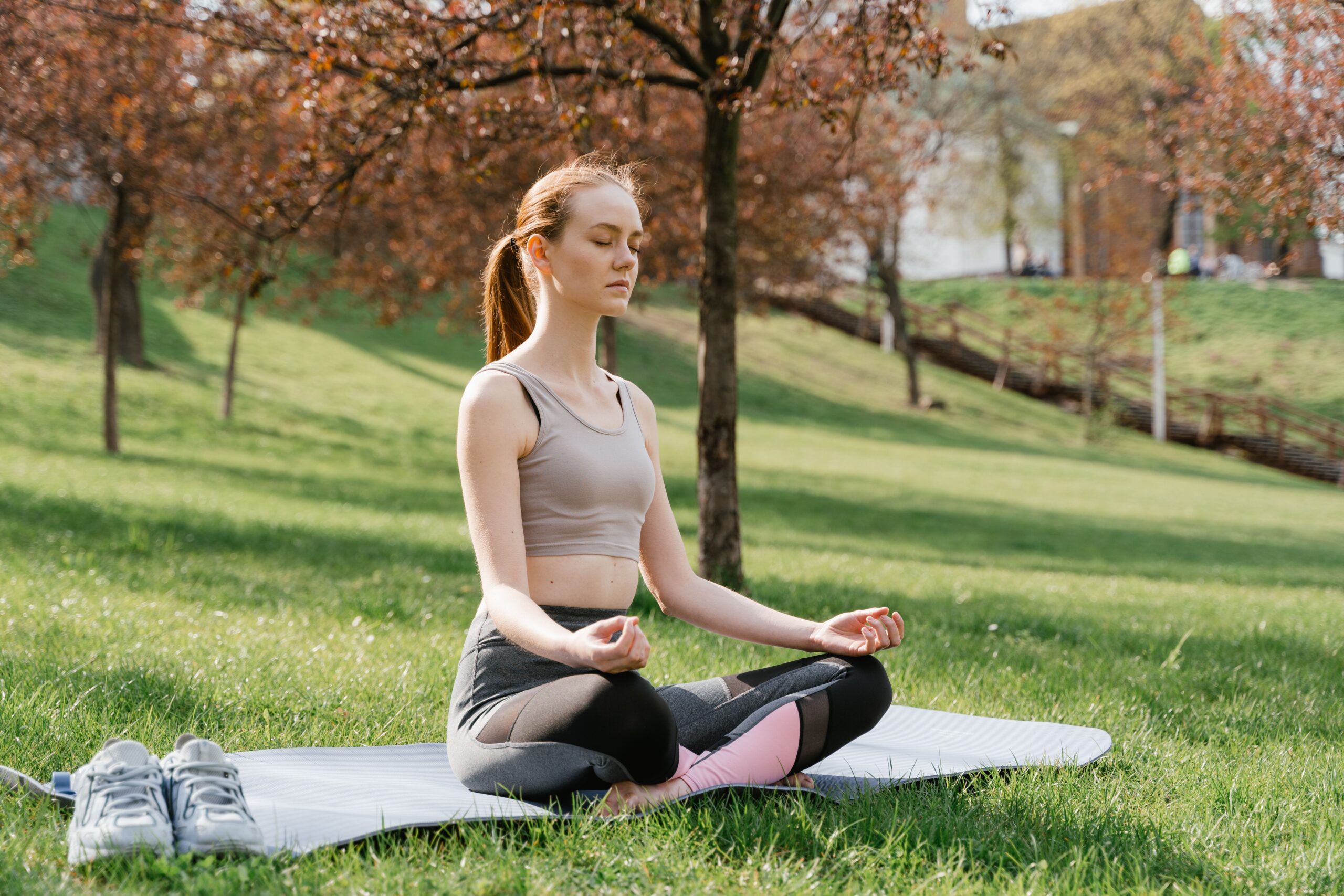
The first hour of your day often shapes everything that follows. Imagine trying to write on paper that’s already covered with scribbles. That’s what a rushed morning feels like for your mind. Starting the day in chaos makes it harder to stay calm later.
A friend once shared how she stopped checking her phone for the first thirty minutes after waking up. Instead, she opened the curtains, stretched, drank a glass of water, and enjoyed a quiet cup of tea. At first, the silence felt strange, but within weeks she noticed she was less anxious throughout the day.
Your morning doesn’t need to be perfect. Even ten minutes of intentional quiet can create a surprising difference. Listen to soft music, write down three things you’re grateful for, or simply sit outside and breathe fresh air. These small rituals remind your brain that you’re in control of your day instead of reacting to everything around you.
A peaceful morning is like laying a strong foundation before building a house. The stronger the foundation, the easier it becomes to handle whatever comes later.
Simplify Your Daily Routine and Let Go of Perfection
Many people carry invisible backpacks filled with unnecessary expectations. They try to answer every email immediately, keep a spotless home, exercise daily, and never disappoint anyone. Eventually, that backpack becomes too heavy.
A father of two once admitted he felt guilty whenever he couldn’t finish his endless to-do list. After talking with a mentor, he started choosing only three meaningful priorities each day. Surprisingly, he became more productive because he stopped chasing impossible perfection.
Living simply isn’t about doing less because you’re lazy. It’s about making room for what truly matters. Not every task deserves equal attention. Some things can wait, while others don’t need to be done at all.
Think of your daily schedule as a garden. If every plant receives the same amount of water, some will thrive while others drown. Learning where to focus your energy allows your mind to grow without unnecessary pressure.
Giving yourself permission to be “good enough” instead of perfect can be one of the most powerful stress free lifestyle tips you’ll ever practice.
Build Healthy Connections That Recharge Your Mind
Stress often grows quietly when we isolate ourselves. Humans are designed to connect, share stories, laugh together, and support one another through difficult times.
Consider an elderly neighbor who spends every evening chatting with friends in the park. While their conversations aren’t always serious, those simple interactions create a sense of belonging that keeps loneliness away. Emotional support doesn’t always come from long conversations. Sometimes, a quick phone call, a shared meal, or even a genuine smile can brighten an entire day.
Healthy relationships also mean creating boundaries. Constantly saying “yes” when you want to say “no” slowly drains your emotional energy. Protecting your time isn’t selfish; it’s necessary for maintaining balance.
Imagine your emotional energy as a rechargeable battery. Positive relationships add power, while unhealthy ones slowly drain it. Choosing who influences your daily life is just as important as choosing what you eat or how much you sleep.
When surrounded by supportive people, life’s challenges become easier to manage because you know you don’t have to face them alone.
Move Your Body and Rest Your Mind Every Day
Exercise is often viewed as another task to complete, but movement is actually one of the simplest ways to reduce stress naturally. You don’t need expensive equipment or intense workouts to experience the benefits.
One office worker began taking twenty-minute walks during lunch breaks instead of eating at her desk. At first, she worried about losing work time. Instead, she returned with clearer thoughts, better focus, and more energy to finish her tasks efficiently.
Movement tells your body that you’re alive, capable, and present. Dancing while cooking dinner, stretching after waking up, gardening, or cycling through your neighborhood all count. The goal isn’t perfection; it’s consistency.
Equally important is giving your mind permission to rest. Endless scrolling on social media may seem relaxing, but it often leaves your brain feeling even more crowded. Reading a novel, practicing deep breathing, listening to calming music, or simply sitting quietly can help reset your mental energy.
Think of your mind like a smartphone. Without regular charging, even the best device eventually shuts down. Rest isn’t wasted time—it’s essential maintenance for your emotional well-being.
Practice Gratitude and Focus on What You Can Control
Stress often comes from worrying about events that haven’t happened yet or replaying moments we cannot change. Gratitude shifts attention toward what’s already working in our lives.
A teacher once started writing one positive moment from each day in a notebook. Some entries were simple: hearing birds outside the classroom, receiving a thank-you note from a student, or enjoying dinner with family. Months later, reading those pages reminded her that happiness had been present even during difficult seasons.
Gratitude doesn’t ignore life’s struggles. Instead, it balances them by recognizing that difficult days can still contain meaningful moments.
Another helpful habit is separating what you can control from what you cannot. You can’t control traffic, other people’s opinions, or unexpected problems. You can control your attitude, your preparation, and your response.
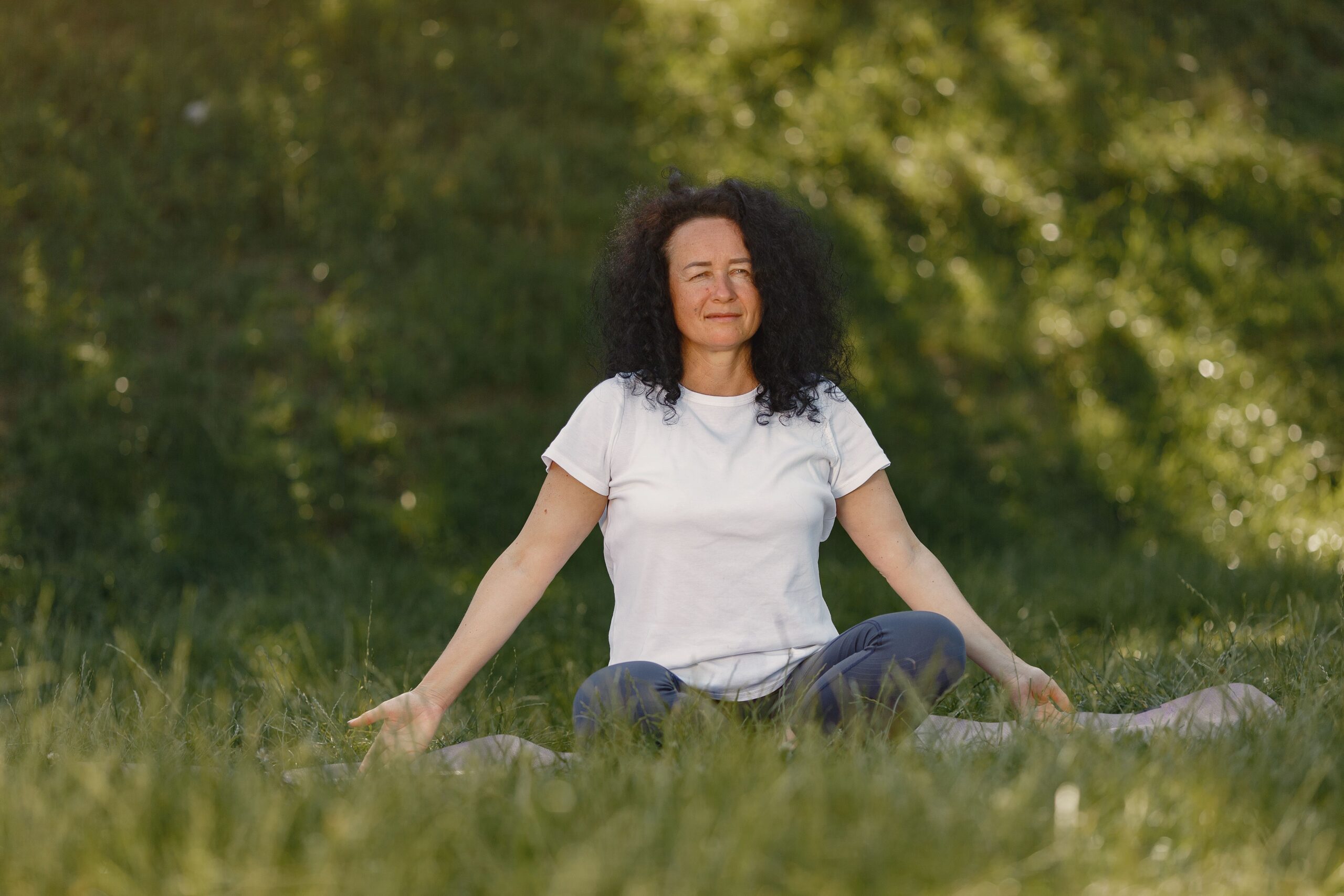
Imagine standing in the rain. You can’t stop the clouds, but you can carry an umbrella. The same idea applies to life. Accepting what you cannot change allows your energy to focus on actions that truly improve your peace of mind.
Frequently Asked Questions
Q1. What are the best stress free lifestyle tips for beginners?
The easiest place to start is by making small daily changes instead of trying to transform your entire life overnight. Create a calming morning routine, get enough sleep, and spend a few minutes practicing gratitude. Simple habits are easier to maintain and often produce lasting results.
Q2. Can changing my daily routine really reduce stress?
Yes. Your daily routine influences your mood, energy, and productivity more than you may realize. A balanced schedule helps reduce mental overload and creates a greater sense of control. Even minor adjustments can significantly improve emotional well-being.
Q3. How does exercise help reduce stress?
Physical activity releases chemicals that naturally improve your mood and reduce feelings of anxiety. Exercise also helps clear your mind by shifting your focus away from daily worries. Regular movement supports both physical and mental health.
Q4. Is it possible to live completely stress free?
No one can eliminate stress entirely because challenges are a natural part of life. The goal is not to avoid stress but to manage it in healthy ways. Building positive habits helps you recover more quickly from difficult situations.
Q5. How important is sleep for managing stress?
Sleep is one of the strongest foundations of emotional health. Poor sleep can increase anxiety, reduce concentration, and make small problems feel much bigger. Consistent, quality sleep improves resilience and overall happiness.
Q6. How long does it take to feel less stressed after changing habits?
Everyone is different, but many people notice improvements within a few weeks of practicing healthy routines consistently. The key is patience and consistency rather than expecting instant results. Small changes often create the biggest long-term transformation.
Conclusion
A peaceful life isn’t built through one dramatic decision but through hundreds of small choices made every single day. Choosing to slow down in the morning, letting go of perfection, surrounding yourself with supportive people, moving your body, and practicing gratitude may seem simple, yet these habits quietly reshape the way you experience life. Stress may still appear, but it no longer has to control your thoughts or steal your happiness.
Remember that creating a calmer lifestyle isn’t a race or a competition. Some days will feel easier than others, and that’s perfectly normal. Every positive habit you build becomes another step toward greater emotional balance and personal freedom. Instead of waiting for life to become less stressful, become the kind of person who can remain calm even when life becomes challenging. Real peace begins the moment you decide that your well-being deserves the same attention as everything else in your life.







Leave a Reply