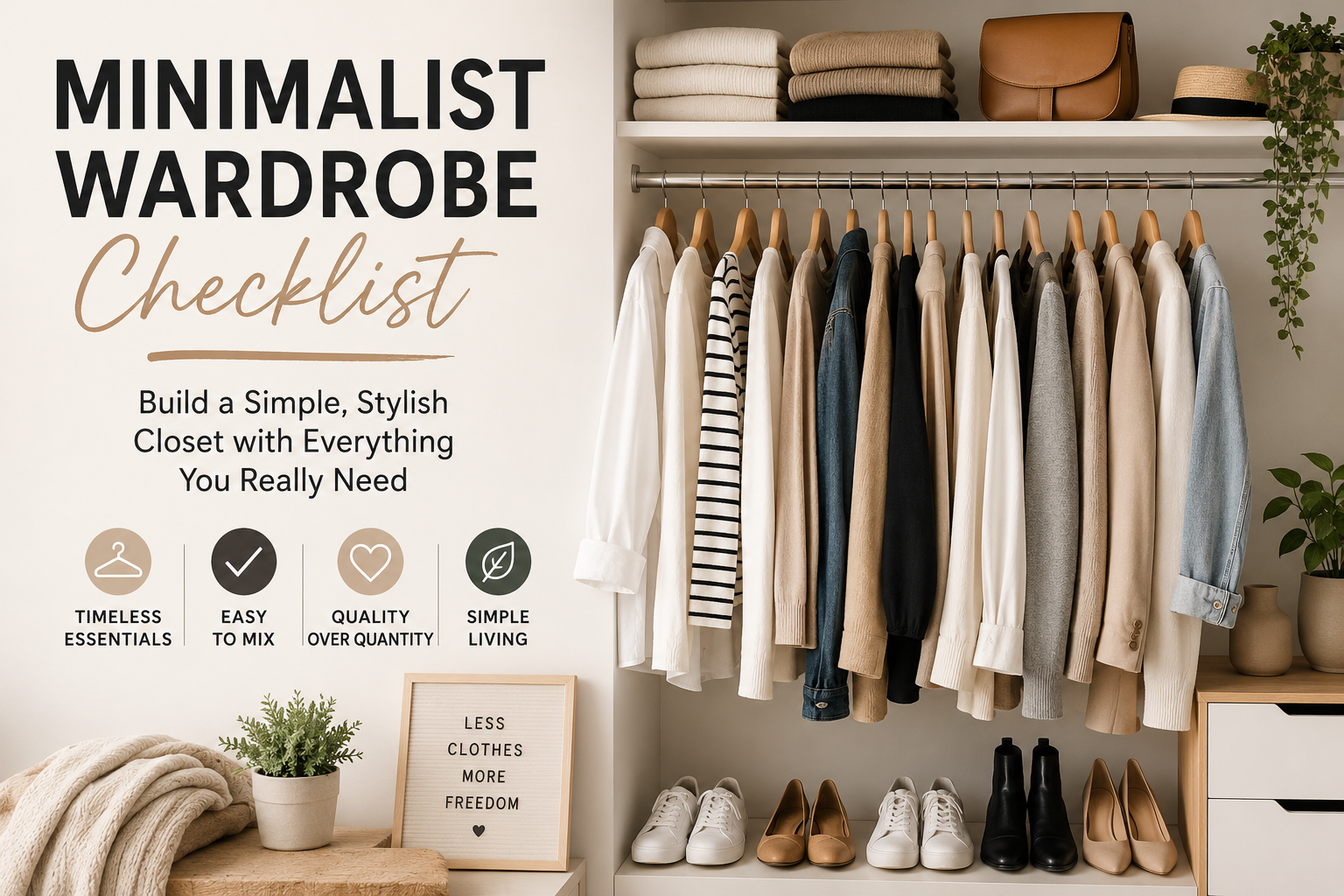
Introduction
Emma stood in front of her overflowing closet for nearly twenty minutes before work. Clothes spilled from every shelf, hangers tangled together, and yet she whispered the same sentence she had repeated for months: “I have nothing to wear.” Sound familiar?
Many of us believe more clothes mean more outfit choices, but the opposite is often true. A crowded wardrobe creates decision fatigue, wasted money, and unnecessary stress. A minimalist wardrobe isn’t about owning as little as possible—it’s about owning what truly serves your lifestyle. Once you have the right essentials, getting dressed becomes faster, easier, and surprisingly enjoyable.
This minimalist wardrobe checklist will help you build a timeless collection of clothing that works together beautifully, saves money, and gives you confidence every single day.
Why a Minimalist Wardrobe Changes More Than Your Closet
A few years ago, my closet looked like a collection of random shopping decisions. Sale items I never wore, trendy pieces that lasted one season, and clothes that didn’t even fit anymore filled every inch of space. Yet every morning felt frustrating.
Everything changed after I packed away nearly half my clothes. Instead of dozens of confusing options, I kept only pieces I genuinely enjoyed wearing. Suddenly, dressing became effortless.
A minimalist wardrobe isn’t about strict fashion rules or limiting creativity. Think of it like building a strong foundation for a house. Without a solid base, everything feels unstable. Your wardrobe works the same way.
When every shirt matches multiple pants, and every jacket complements your shoes, getting dressed becomes almost automatic. You spend less time deciding and more time living. The money you once spent chasing trends can go toward higher-quality clothing or experiences that matter more.
Minimalism also teaches mindful shopping. Before buying something new, you naturally ask yourself, “Will this truly improve my wardrobe?” That single question prevents countless unnecessary purchases.
The Ultimate Minimalist Wardrobe Checklist
Imagine opening your closet and seeing only clothes you genuinely love. Every piece has a purpose, every color works together, and everything fits comfortably. That’s the goal of this checklist.
Start with quality basics. Neutral-colored T-shirts in white, black, gray, or beige create the foundation of countless outfits. Add a few well-fitted button-up shirts for occasions that require a polished appearance.
Next comes bottoms. A pair of dark jeans, light-wash jeans, tailored trousers, and comfortable casual pants can cover nearly every situation. Instead of owning ten pairs that rarely get worn, choose four or five that fit perfectly.
Layering pieces matter just as much. A timeless blazer, denim jacket, lightweight cardigan, and versatile sweater allow you to adapt to changing weather while creating different looks from the same core clothing.
Footwear should remain practical rather than excessive. White sneakers, comfortable loafers or flats, ankle boots, and one pair of formal shoes usually meet most lifestyle needs.
Finally, choose accessories carefully. A classic belt, quality handbag or backpack, simple jewelry, sunglasses, and a reliable watch complete outfits without overwhelming them. Each item should earn its place by working with multiple combinations rather than serving only one occasion.
Choosing Quality Over Quantity
My friend Sarah once bought eight inexpensive sweaters during a holiday sale because they looked like a bargain. By the following winter, five had stretched, faded, or developed holes. Meanwhile, her older high-quality sweater still looked almost new after years of wear.
That experience perfectly illustrates the philosophy behind a minimalist wardrobe.
Buying fewer but better pieces saves money over time. Higher-quality fabrics often feel better, last longer, and maintain their appearance through repeated washing. Rather than replacing cheap clothing every season, you build a wardrobe that grows stronger year after year.
This doesn’t mean every purchase needs to be expensive. Instead, focus on durability, fit, and versatility. A moderately priced cotton shirt that you wear weekly provides far greater value than an expensive designer piece worn only twice.
Pay attention to stitching, fabric composition, and comfort. If something feels uncomfortable inside a fitting room, it probably won’t become a favorite later.
Think of each purchase as hiring an employee for your wardrobe. If it can’t perform multiple jobs, it probably doesn’t deserve the position.
Maintaining Your Minimalist Wardrobe for Years
Creating a minimalist wardrobe is only the beginning. Keeping it intentional requires small habits rather than dramatic cleanouts every few months.
Whenever you buy something new, consider removing an older item that no longer serves you. This simple practice prevents clutter from slowly returning.
At the beginning of each season, spend fifteen minutes reviewing your wardrobe. Ask yourself which pieces you actually wore. Clothing that remains untouched year after year often belongs in a donation box rather than taking valuable closet space.
Laundry habits also make a difference. Washing clothes according to care labels, air drying delicate fabrics, and storing seasonal items properly can significantly extend their lifespan.
Most importantly, avoid impulse shopping. Pause before making a purchase. Sleep on the decision if possible. Often, the excitement fades overnight, revealing whether the item truly fills a need or simply satisfies a temporary desire.
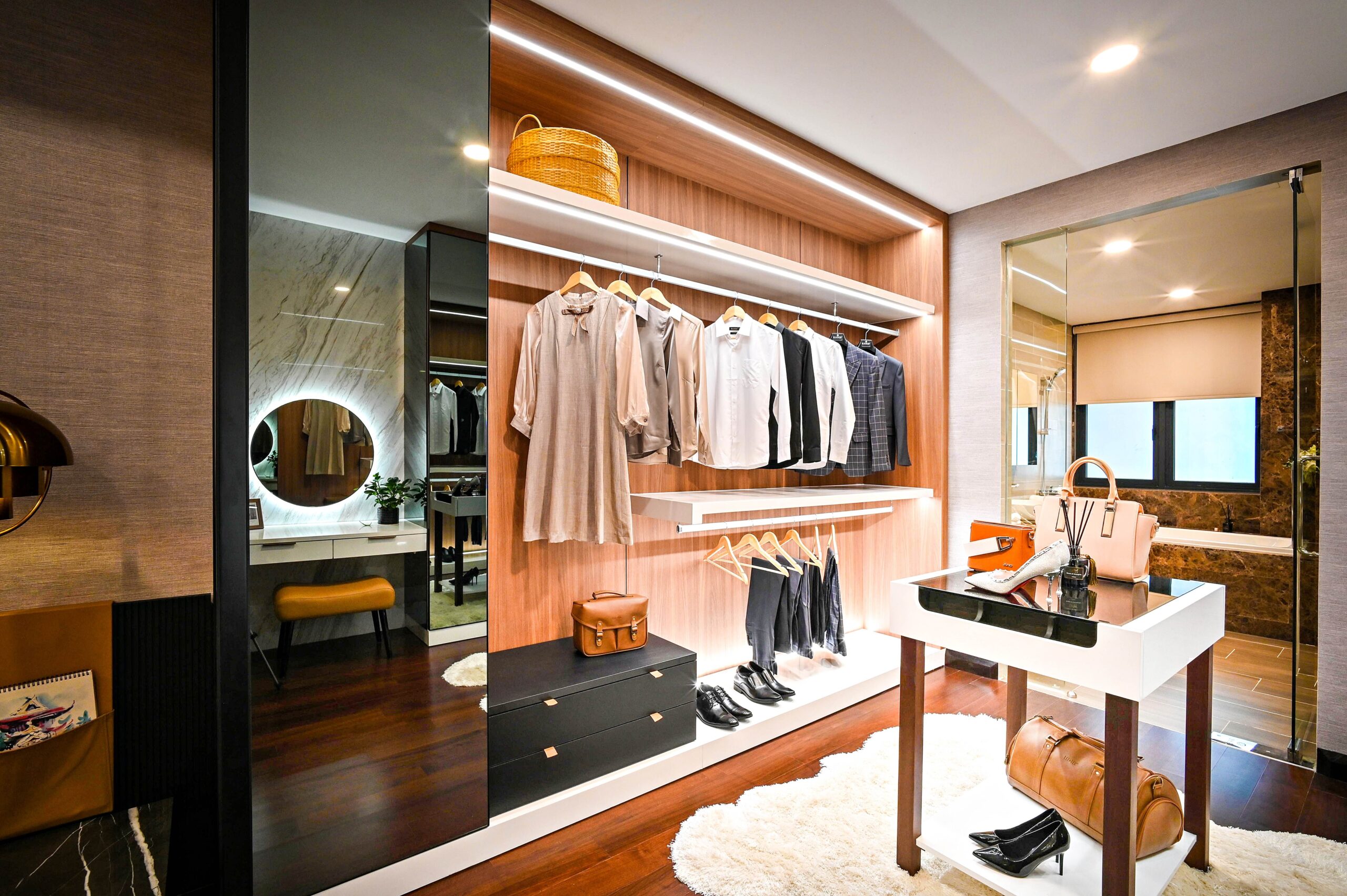
Over time, you’ll notice something unexpected. Shopping becomes less about entertainment and more about thoughtful investment. That mindset creates both financial savings and personal satisfaction.
Frequently Asked Questions
Q1. What is a minimalist wardrobe checklist?
A minimalist wardrobe checklist is a guide to building a wardrobe with essential, versatile clothing items that work together. Instead of owning dozens of unnecessary pieces, you focus on timeless basics that fit your lifestyle. The goal is simplicity, functionality, and personal style.
Q2. How many clothes should a minimalist wardrobe have?
There isn’t one perfect number because everyone’s lifestyle is different. Some people are comfortable with around 30 to 50 clothing items, while others prefer slightly more. The key is owning only what you regularly wear and genuinely enjoy.
Q3. Can a minimalist wardrobe still be fashionable?
Absolutely. Minimalist fashion often looks more polished because every piece is carefully chosen. Neutral colors, quality fabrics, and classic designs create elegant outfits that never feel outdated. Personal style comes from how you wear your clothes, not how many you own.
Q4. How do I start decluttering my closet?
Begin by removing clothes that no longer fit, are damaged, or haven’t been worn for over a year. Keep only items that make you feel comfortable and confident. Working category by category makes the process much less overwhelming.
Q5. What colors work best in a minimalist wardrobe?
Neutral shades like black, white, gray, navy, beige, and olive are excellent starting points because they pair easily with one another. You can then introduce one or two favorite accent colors for personality. This approach creates maximum outfit combinations with fewer pieces.
Q6. Does a minimalist wardrobe save money?
Yes, because it encourages thoughtful purchasing instead of impulse shopping. Investing in durable, versatile clothing reduces the need for constant replacements. Over time, you’ll likely spend less while enjoying a wardrobe that performs much better.
Conclusion
A minimalist wardrobe checklist is much more than a list of clothing essentials—it’s a shift toward intentional living. When every item in your closet has a purpose, daily routines become simpler, shopping becomes smarter, and personal style becomes more authentic. Rather than chasing every new trend, you begin investing in pieces that reflect who you are and support your everyday life. Over time, you’ll discover that confidence doesn’t come from owning the most clothes but from wearing the right ones. A thoughtfully curated wardrobe creates space not only in your closet but also in your mind, allowing you to focus on experiences instead of excess. The next time you open your closet, ask yourself one simple question:







Leave a Reply